Pixel 11 Pro vs Galaxy S26 Ultra: Which Flagship Should You Buy?
Smartphones comparison
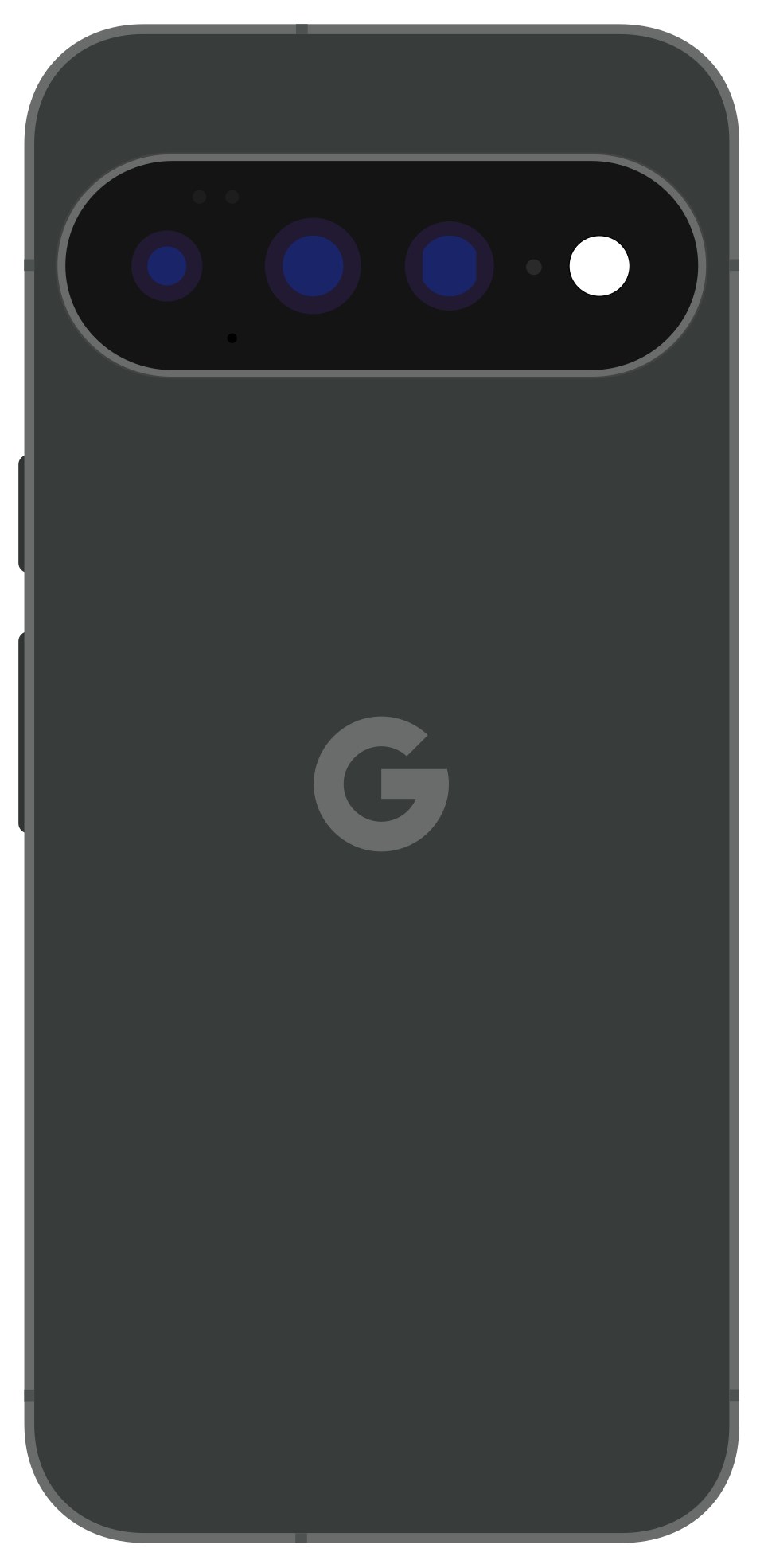
GooglePixel 11 Pro / Pro XL
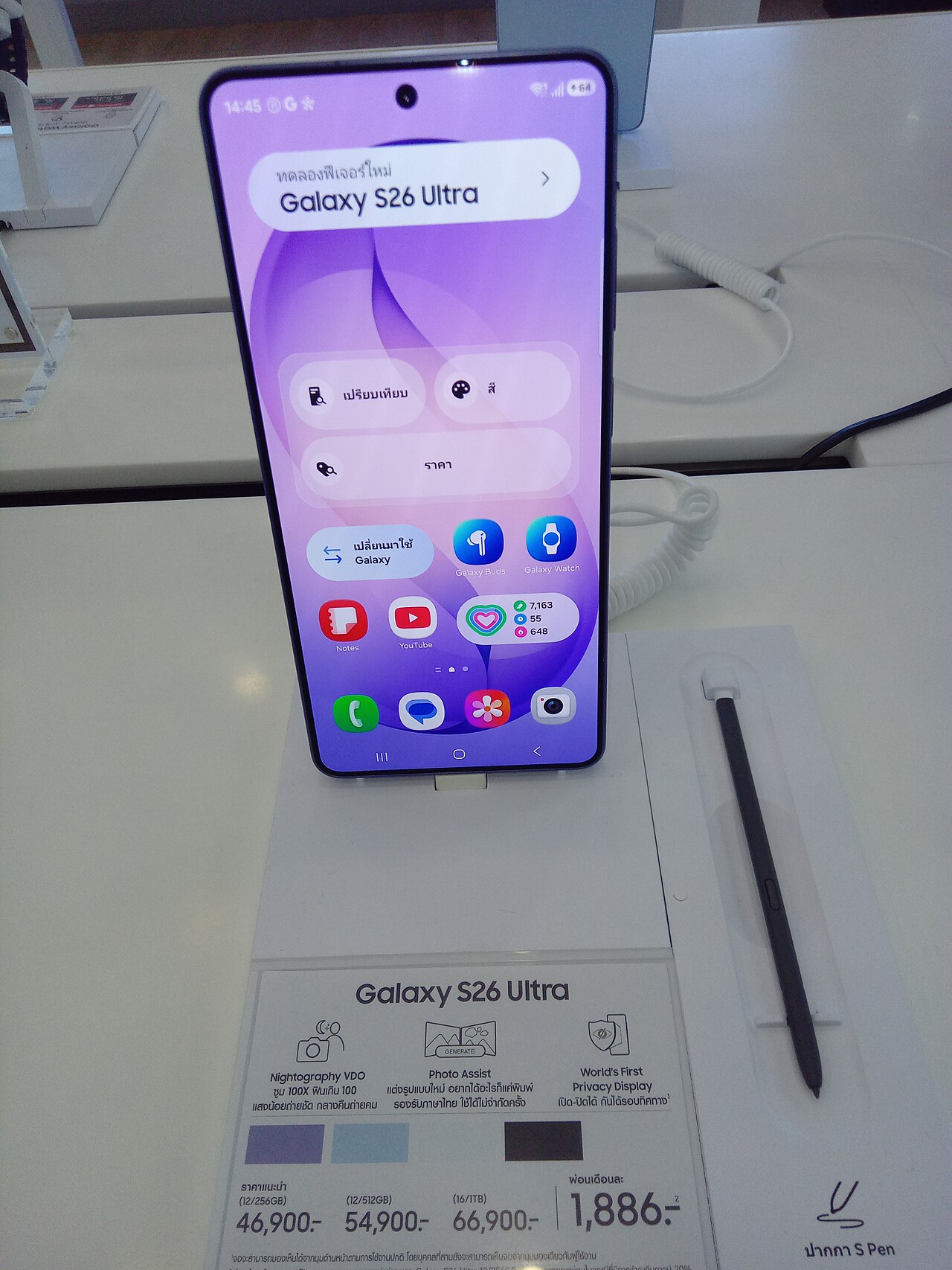
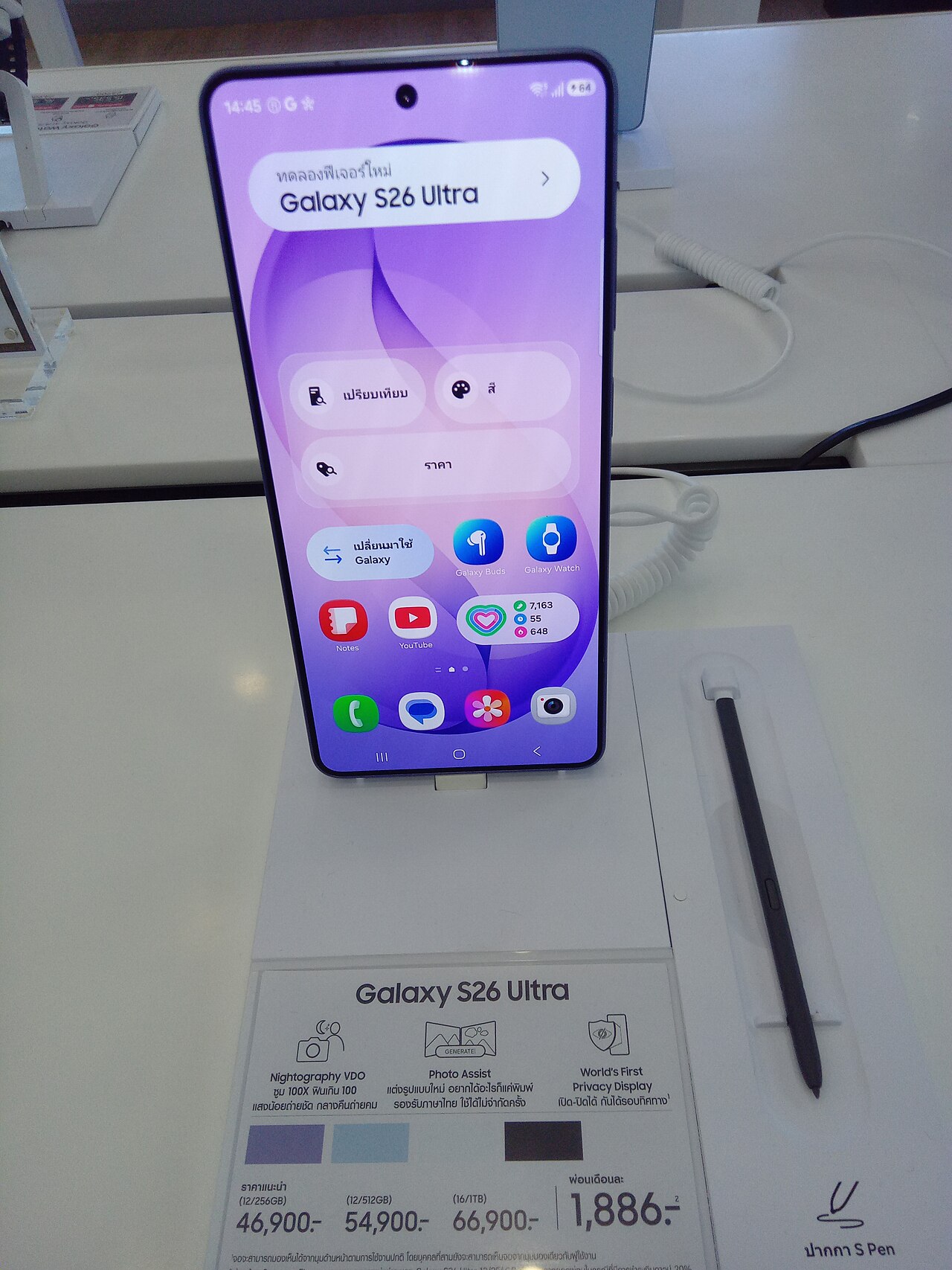
SamsungGalaxy S26 Ultra
This guide contains affiliate links. As an Amazon Associate I earn from qualifying purchases, at no extra cost to you.Learn more.
Key takeaways
- Choose the Pixel 11 Pro or Pro XL for natural color accuracy; the Pro XL adds a larger 5,115 mAh battery.
- Opt for the Galaxy S26 Ultra for faster 60W charging, a built-in stylus, and dedicated 3x and 5x telephoto lenses.
- Both devices get 7 years of OS and security updates.
- The Galaxy S26 Ultra has the sharper 3,120 x 1,440 screen, but its built-in privacy filter lowers brightness.
Short on time? Start with our top picks
Best for clean software
Google Pixel 11 Pro / Pro XL
- Best for
- Users who value clean software, effortless point-and-shoot photography, and deep AI integration.
- Why choose it
- It provides a pure Android experience, effortless point-and-shoot photography with neutral colors, and built-in Pixelsnap magnetic charging.
- Think twice if
- The Pro XL charges slower over a cable (45W) than its rival and is slightly heavier for its screen size.
Best for power users
Samsung Galaxy S26 Ultra
- Best for
- Power users, creative professionals, and those who want maximum hardware versatility and an integrated stylus.
- Why choose it
- It offers superior hardware versatility including a 200 MP wide camera, dedicated 3x and 5x optical telephoto lenses, and an integrated S Pen.
- Think twice if
- Its sharp sides can be uncomfortable to hold, and its display has a privacy filter that reduces crispness and brightness.
How they compare
| Product | Best for | Key specs | Think twice if | Amazon link |
|---|---|---|---|---|
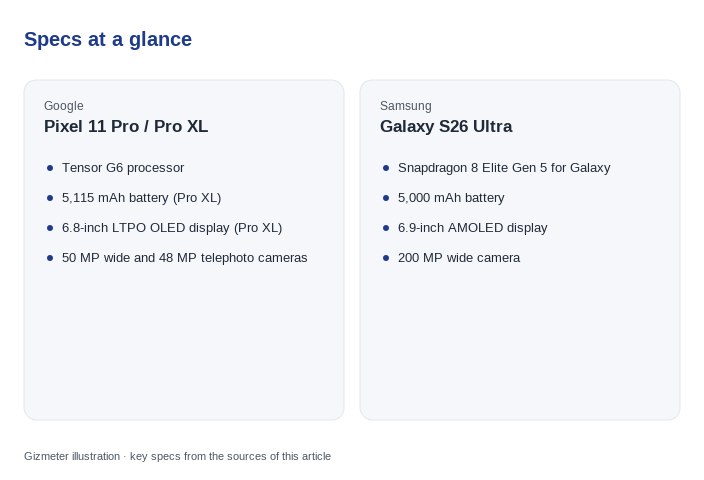
| Google Pixel 11 Pro / Pro XL | Users who value clean software, effortless point-and-shoot photography, and deep AI integration. | Tensor G6 processor · 5,115 mAh battery (Pro XL) · 6.8-inch LTPO OLED display (Pro XL) · 50 MP wide and 48 MP telephoto cameras | The Pro XL charges slower over a cable (45W) than its rival and is slightly heavier for its screen size. | Check price |
| Samsung Galaxy S26 Ultra | Power users, creative professionals, and those who want maximum hardware versatility and an integrated stylus. | Snapdragon 8 Elite Gen 5 for Galaxy · 5,000 mAh battery · 6.9-inch AMOLED display · 200 MP wide camera | Its sharp sides can be uncomfortable to hold, and its display has a privacy filter that reduces crispness and brightness. | Check price |
Specs come from manufacturer pages and the sources listed at the end. Prices change often, so we link to Amazon instead of listing them.
Buy the Pixel 11 Pro, or the larger Pro XL, if you want natural-looking photos with no tweaking, clean Android software and magnetic Pixelsnap accessories without a case. Buy the Galaxy S26 Ultra if you want a built-in S Pen, dedicated 3x and 5x zoom lenses and faster 60W wired charging.
As of November 2026, for the US market, both flagships represent top-tier Android hardware with long-term software support.
Google sells this generation in two sizes, the Pixel 11 Pro and the larger Pixel 11 Pro XL, which share the Tensor G6 chip, camera system and software (Google Store). Where size changes the numbers (screen, battery, charging and weight), this comparison uses the Pro XL, the closer match to the 6.9-inch Galaxy S26 Ultra.
Which has the better camera system: Pixel 11 Pro or Galaxy S26 Ultra?
Choosing between the camera systems on the Pixel 11 Pro and Galaxy S26 Ultra depends on whether you prefer Google’s realistic, neutral image processing or Samsung’s high-resolution multi-lens versatility.
Google equips both Pixel 11 Pro models with a triple rear camera array featuring a 50 MP wide primary sensor, a 48 MP ultrawide lens, and a 48 MP 5x optical telephoto lens (Google Store). Through main sensor cropping paired with computational algorithms, the Pixel 11 Pro provides up to 120x Pro Zoom while retaining balanced skin tones and realistic colors (CNET).
Samsung equips the Galaxy S26 Ultra with a quad camera module comprising a 200 MP wide main sensor, a 50 MP ultrawide lens, a dedicated 10 MP 3x telephoto optical camera, and a 50 MP 5x telephoto lens offering 100x Space Zoom (CNET). Samsung relies on wider low-light apertures to assist in night scenes, producing punchier, more vibrant tones. While megapixel counts do not directly guarantee better images, Samsung provides greater optical reach at intermediate 3x distances, whereas Google delivers more consistent color accuracy in daily snapshots.
The edge: Choose the Pixel 11 Pro for natural color rendering and dependable point-and-shoot consistency, or the Galaxy S26 Ultra for extreme hardware flexibility, a dedicated 3x optical lens, and vibrant low-light captures.
How do performance and software longevity compare?
Performance on the Pixel 11 Pro and Galaxy S26 Ultra relies on distinct chipsets tailored for different workloads, though both phones match each other with seven years of software support.
Google runs both Pixel 11 Pro models on its custom Tensor G6 processor paired with 12GB or 16GB of RAM (Google Store). Samsung equips the Galaxy S26 Ultra with the Qualcomm Snapdragon 8 Elite Gen 5 for Galaxy processor, matched with identical 12GB or 16GB RAM tiers (Android Central). Samsung markets the S26 Ultra for gaming, citing amplified gaming performance and better thermal performance (Samsung), while Google builds the Tensor G6 around on-device AI features.
When evaluating long-term usage, software support is identical: both Google and Samsung provide 7 years of major OS and security updates (CNET).
The edge: Choose the Galaxy S26 Ultra if mobile gaming is a priority, or the Pixel 11 Pro for Google’s AI features; both get 7 years of software support.
Which phone offers better battery life and charging speeds?
The Pixel 11 Pro XL carries a slightly larger battery capacity, but the Galaxy S26 Ultra charges faster over a wired connection.
Google fits the Pixel 11 Pro XL with a 5,115 mAh battery cell and supports 45-watt wired charging (CNET). Samsung outfits the Galaxy S26 Ultra with a 5,000 mAh battery cell paired with faster 60-watt wired charging support (CNET), and rates it for 31 hours of video playback (Samsung). For wireless charging, both devices match each other with 25-watt wireless support (CNET). The additional 115 mAh in the Pixel 11 Pro XL gives it a modest reserve advantage, but Samsung’s 60-watt architecture reduces downtime at the outlet.
The edge: Select the Pixel 11 Pro XL for maximum physical battery capacity, or choose the Galaxy S26 Ultra for shorter wall-charging sessions.
Which display is better for viewing: Pixel 11 Pro or Galaxy S26 Ultra?
Screen quality between the Pixel 11 Pro and Galaxy S26 Ultra pairs Google’s bright visual panel against Samsung’s higher pixel density and built-in privacy filter.
The Pixel 11 Pro XL features a 6.8-inch LTPO OLED display—LTPO, or low-temperature polycrystalline oxide, is a technology that dynamically adjusts screen refresh rates to conserve battery energy—delivering a 2,992 x 1,344-pixel resolution at 486 pixels per inch (CNET). The Galaxy S26 Ultra features a 6.9-inch AMOLED panel at 3,120 x 1,440 pixels and 500 pixels per inch (CNET).
While Samsung offers higher resolution, its screen includes a built-in Privacy Display feature that leads to lower overall brightness and introduces a slight chromatic aberration effect when viewed at off-center angles (Android Central). Regarding physical dimensions, the Pixel 11 Pro XL measures 162.6 x 76.2 x 7.6 mm and weighs 227 grams, while the Galaxy S26 Ultra measures 163.6 x 78.1 x 7.9 mm and weighs 214 grams, though the Ultra’s squarer corners affect palm comfort (CNET).
The edge: The Pixel 11 Pro provides a cleaner, untinted viewing experience, while the Galaxy S26 Ultra delivers a larger 6.9-inch canvas with built-in visual privacy at a slightly lower weight.
Which ecosystem features matter more: Pixel or Galaxy?
Ecosystem options highlight a clear split between native magnetic accessory integration on the Pixel 11 Pro and hardware productivity tools on the Galaxy S26 Ultra.
Google integrates Pixelsnap Qi2.2 magnetic alignment directly into the back panel of the Pixel 11 Pro, allowing magnetic chargers, wallets, and mounts to attach without requiring an external case (Google Store). Samsung emphasizes productivity on the Galaxy S26 Ultra by building an integrated S Pen stylus directly into the frame, alongside Ultra-Wideband (UWB) precision tracking and wireless PowerShare to reverse-charge smaller accessories (Android Central). Connecting magnetic accessories to the Galaxy S26 Ultra requires purchasing a specialized magnetic case.
The edge: Choose the Pixel 11 Pro for native magnetic accessory convenience, or pick the Galaxy S26 Ultra for built-in stylus input, reverse wireless charging, and UWB device tracking.
Who should buy the Pixel 11 Pro or Pro XL?
The Google Pixel 11 Pro suits shoppers who want an unencumbered software interface, realistic photo processing, and out-of-the-box magnetic accessory attachment. The Tensor G6 chip and, on the Pro XL, a 5,115 mAh battery focus on automated background tasks and natural skin-tone photography without needing user tweaks.
However, you should hesitate if you frequently plug in for quick top-ups, as the Pro XL’s 45W wired charging is slower than Samsung’s 60W standard. Additionally, the Pro XL weighs slightly more (227 grams) relative to its 6.8-inch display; the standard Pixel 11 Pro is the smaller variant if size matters more than battery.
Who should buy the Galaxy S26 Ultra?
The Samsung Galaxy S26 Ultra fits power users, business professionals, and mobile creators who demand integrated pen input, fast 60W charging speeds, and a wide array of optical focal lengths. The inclusion of an S Pen, reverse wireless PowerShare, and dedicated 3x and 5x optical lenses makes it a versatile hardware tool.
Think twice if you prefer smooth palm ergonomics or ultra-clean displays; the phone’s sharper side edges can dig into hands, and its built-in privacy filter slightly dampens peak screen clarity and viewing angles.
Bottom line
Which phone fits depends on your daily habits:
- Choose the Pixel 11 Pro if you prioritize realistic photo colors, built-in magnetic Qi2.2 accessory snapping, clean Android software, and, on the Pro XL, a higher-capacity 5,115 mAh battery.
- Choose the Galaxy S26 Ultra if you want an integrated S Pen stylus, faster 60W wired charging, dedicated 3x and 5x optical zoom lenses, and a larger 6.9-inch screen equipped with built-in privacy features.
Related reading
Frequently asked questions
Does the Galaxy S26 Ultra still include the S Pen?
Yes, the Galaxy S26 Ultra features an integrated S Pen stylus built directly into its bottom chassis for note-taking, sketching, and precise navigation.
Is the Pixel 11 Pro easier to use one-handed than the Galaxy S26 Ultra?
Yes. Even the larger Pixel 11 Pro XL is slightly narrower (76.2 mm vs 78.1 mm) and shorter (162.6 mm vs 163.6 mm) than the Galaxy S26 Ultra, with rounded edges instead of sharp corners, though it is slightly heavier. The standard Pixel 11 Pro is the smaller of the two Pixel variants.
What is the difference between the Pixel 11 Pro and the Pixel 11 Pro XL?
They are two sizes of the same generation. Both use the Tensor G6 chip, the same camera system and the same seven years of software updates. The Pro XL has the larger screen and battery; the screen, battery, charging, weight and size figures in this comparison are for the Pro XL, the closer match to the 6.9-inch Galaxy S26 Ultra.
Can the Pixel 11 Pro match the zoom capabilities of the Galaxy S26 Ultra?
The Pixel 11 Pro reaches up to 120x Pro Zoom using sensor cropping and computational software, surpassing the 100x Space Zoom ceiling of the Galaxy S26 Ultra. However, the Galaxy S26 Ultra includes a dedicated 3x optical camera alongside its 5x telephoto lens for hardware-level mid-range zoom.
How we researched this guide
How we chose these products. We compared current models sold in the US on:
- Camera Versatility & Quality
- Productivity Features
- Software Experience
Where the information comes from.
- Manufacturer data: specifications, weights and battery-life figures come from official product pages, checked on . Battery figures are the manufacturers' own ratings under their test conditions, not our measurements.
- Third-party sources: other facts are linked to the 10 sources listed below.
- Our analysis: who each product suits, its trade-offs and our recommendations are editorial judgments based on that information.
Limitations. We did not test these products hands-on, and configurations, availability and prices change often, so confirm the exact configuration on the retailer's page before buying. AI tools helped research and draft this guide, and an editor reviewed it before publishing.Read our editorial process.
Sources
- Google Pixel 11 Pro & 11 Pro XL Technical Specs & Features | store.google.com
- Galaxy S26 Ultra | samsung.com
- Google Pixel 11 Pro & 11 Pro XL: Designed for Gemini Intelligence | store.google.com
- Pixel 11 Pro XL vs. Galaxy S26 Ultra: How These $1,300 Flagship Phones Stack Up - CNET
- Google Pixel 11 Pro XL vs. Samsung Galaxy S26 Ultra: The two best Android phones face off | Android Central
- Samsung Galaxy S26 Ultra Cell Phone Review - Consumer Reports
- Google Pixel 11 Pro & 11 Pro XL Specs & Dimensions | Google Fi
- I Tested the Galaxy S26 Ultra Cameras Against the Pixel 11 Pro: One Captures Vibes Better - CNET
- Samsung Galaxy S26 Ultra review: After four months of testing, I can't part with it - Digital Trends
- Samsung Galaxy S26 Ultra - Full phone specifications